
When the man who made your watch is also your friend, are you still free to sell it?
I have sold watches. There, I said it.
What surprised me is how little it hurt. Like most collectors in the early, wonderfully irrational stage of this disease, I was convinced every watch I bought would stay forever. This one is special. This one is a keeper. This one will never leave.Until, of course, it does. Collections evolve, and more importantly, collectors evolve.
But lately I have been chewing on a much more uncomfortable question. I have sold watches ONLY from major houses without losing a minute of sleep. Could I do the same with a watch made by someone I consider a friend? And if I did, would I be selling a watch, or betraying a relationship?
The door in Geneva
The first thing that struck me in Geneva was not a movement, a dial or a finishing technique. It was the door.
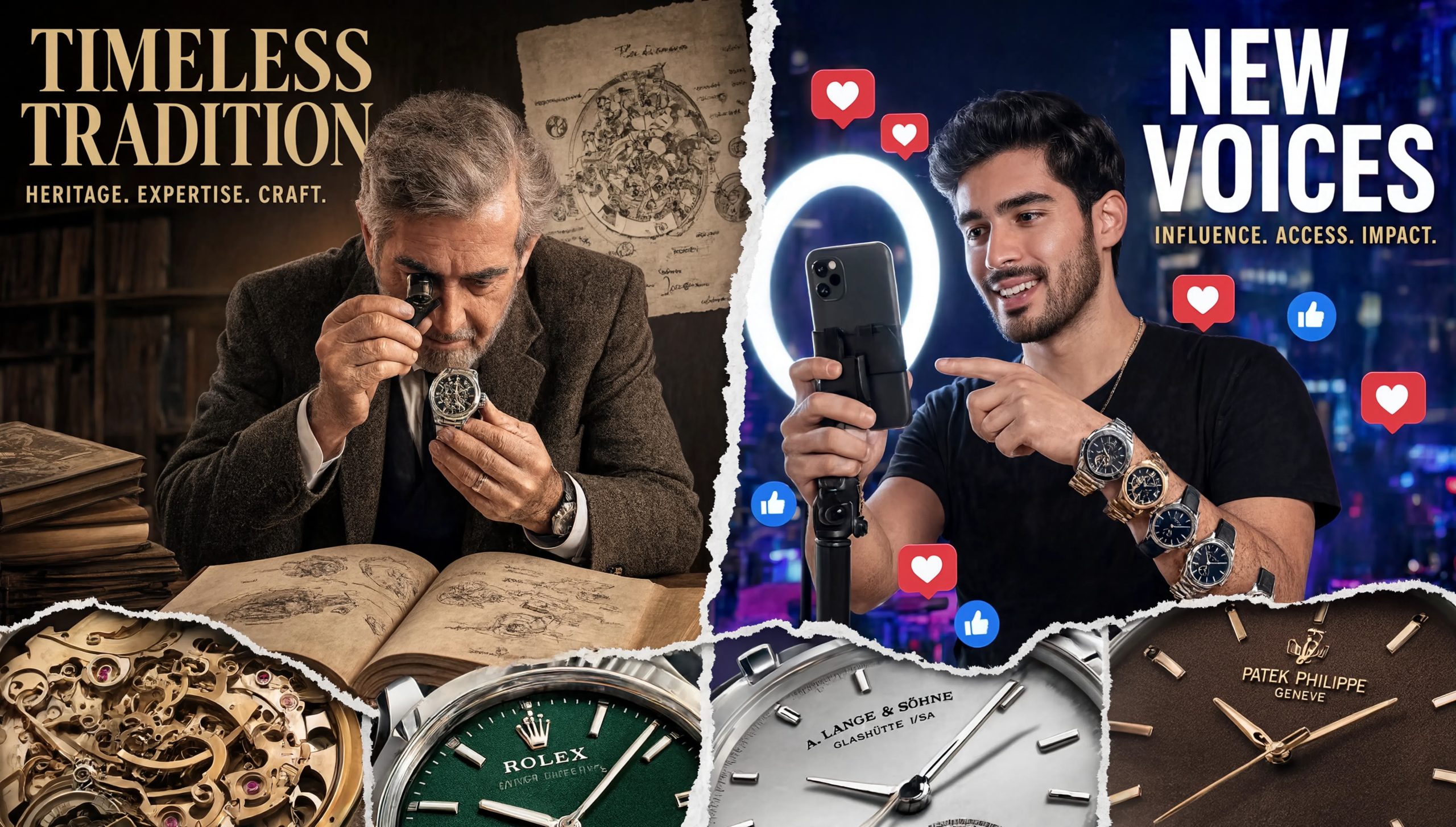
It was my first trip to the city, early in my collecting life, and I had made appointments with a list of watchmakers that still makes me smile: Romain Gauthier, Kari Voutilainen, François-Paul Journe, Rexhep Rexhepi, Simon Brette, Sylvain Berneron, Hervé Schlüchter and others. I expected polite professionalism. What I got was open arms.
These are people whose watches are made in tiny numbers and whose demand outruns supply many times over. They did not need us. Yet they showed us their workshops, walked us through their movements and talked about finishing and philosophy with the kind of obsession that most normal people would find exhausting. They gave us something scarcer than any allocation: their time.
I left having placed a few deposits, but the watches were almost secondary. For the first time I understood that independent watchmaking is not just another category of collecting. It can be deeply personal. That trip was an eye opener.
A few years on, some of those names I once knew only from magazines, Instagram and auction catalogs are people I can actually call. Some are friends. I say that plainly because the word is easy to abuse in this hobby.
When the allocation stops mattering
Here is a confession that would have sounded absurd to me at the start: I value some of those relationships as much as the watches themselves. Maybe more.
Take Rexhep. I would love to own one of his watches, but I know I probably never will. Production is microscopic, the list is endless and the books are closed for good. And I am at peace with that, because I can pick up the phone and have a real conversation with him about watches, craft and life. That has no price. It cannot be bought on the secondary market or arranged by a boutique. It is built one visit, one call, one coffee at a time.
(Would I love the watch? Of course. I’m a collector, not a saint.)
There is something quietly profound in realizing that the best thing independent watchmaking has given you may not be a watch at all. It may be the people.
Then my collection started changing
Meanwhile the collection kept growing. Independents became my main passion, but I also fell for the great maisons: Lange, Patek, Vacheron, vintage AP, Breguet. There are phenomenal watches everywhere, and some of these are crazy good.
But as time passed, my taste changed. In the beginning I wanted more: another complication, another brand, another box arriving at the house. Eventually I realized I did not want more watches. I wanted a better collection. There is an enormous difference, and once you start curating instead of accumulating, an uncomfortable truth appears. Some watches that once thrilled you simply don’t anymore. Nothing is wrong with them. They haven’t changed. You have.
So for the first time, a few pieces left. And the attachment I thought I had turned out to be much weaker than I expected. I wished the watch well, hoped another collector would enjoy it as much as I had, and moved on.
That is when the uncomfortable question showed up.
What if the watch was made by your friend?
I have never sold a watch made by an independent watchmaker I consider a friend. Not one. And today, I don’t think I could.
That bothers me, because intellectually it does not fully make sense. Collections should evolve. Nobody should be a prisoner of a purchase they made five or ten years ago. So picture the day I look at a watch made by someone I genuinely care about and realize I don’t love wearing it anymore. Do I keep a $100,000 watch in the safe because selling it might hurt someone’s feelings? Or do I sell it and risk sending a message I never intended?
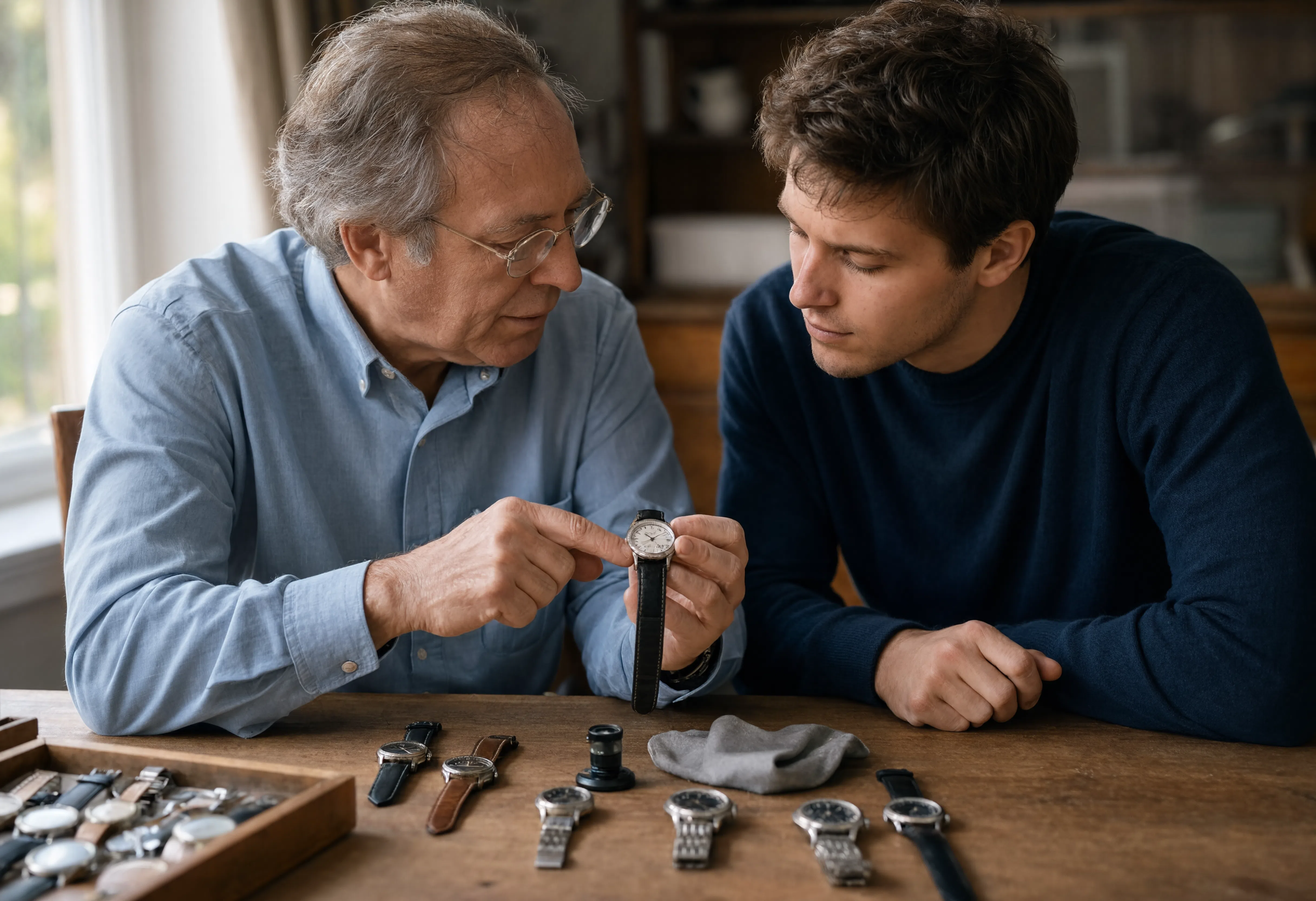
With an independent, the transaction is unusually personal. Maybe you visited the atelier. Maybe you chose the dial and the case material together. Maybe you waited four years. Maybe he picked you over hundreds of other collectors who wanted the same watch. And somewhere in that process, a friendship formed. Now try listing that watch on the secondary market. Suddenly it feels different.
Is it still your watch?
Legally, obviously. You paid for it, it is yours, and you can sell it tomorrow.
But collecting has never been governed only by what we are entitled to do. There are unwritten rules, and they involve trust, reputation and intent. When a maker who builds twenty watches a year chooses you, that allocation can feel like more than a sale. It can feel like a sentence he never said out loud: I want this watch to go to you.
Does accepting that watch create an obligation? And if it does, for how long?
The word nobody likes
Selling is not the same as flipping, and the distinction matters enormously. Buying a hard-to-get watch and listing it six weeks later at double the price tells the maker you were never a client, only a middleman. Selling the same watch seven years later because your taste, your collection or your life has changed is something else entirely.
At least I think it is. But where exactly is the line? Is three years acceptable? Five? What if the watch has appreciated wildly? What if you simply need the money? What if you just stopped loving it? And the hardest one: should the reason matter at all?
Maybe this is the price of friendship
I have become far more selective about what I acquire from independents. Partly that is my collecting philosophy maturing. But there is another reason. When you buy from someone who becomes your friend, you take on an emotional responsibility that does not exist when you buy from a multinational group. His name is no longer just engraved on a movement. He is attached to the watch, and that makes letting go extraordinarily hard.
So maybe the answer is not learning how to sell these watches. Maybe it is being much more certain before I ask a friend to build one for me.
But is that healthy?
This is where I genuinely don’t know. Maybe I am wrong. Maybe watchmakers think about this far less than collectors do. Maybe a great independent would rather I pass his watch to someone who will love it than leave it locked in a safe out of guilt. Maybe the ultimate compliment is letting the watch continue its journey.
We talk endlessly about provenance in this hobby. Perhaps changing hands is part of provenance. These objects are meant to outlive all of us, and perhaps a friendship should not require permanent ownership of an object.
I understand all of that intellectually. Emotionally, I’m not there yet.
Is there an etiquette?
I know collectors who do sell these pieces, and some do it with real elegance. I would feel terrible doing it, but that may say more about me than about the act. So here is a first draft of a code, and I want you to tear it apart:
- Tell the maker first. Nobody should hear it from a listing or a rumor.
- Offer it back. Some will want the watch home, and it is the most respectful exit there is.
- Choose the buyer with care. Someone who will wear it and love it, not someone watching the spread.
- Never flip. Time is the difference between a collector and a middleman.
- Wait. But how long?
That last one is where I am stuck. Is there a number of years at which a sale becomes justifiable? Or is time the wrong measure, and the real question is whether the watch has had a genuine life with you?
So I’m asking you
This is not an article where I have the answer. It is an article where I want one.
If a watchmaker personally allocated you a watch, how long should you keep it? Does the answer change if he is your friend? Should you tell him before you sell, or offer it back first? Does selling because your taste changed feel different from selling because the watch doubled in value? And can you separate your relationship with the maker from your relationship with the watch?
I can’t. At least not yet.
There are pieces in my collection I could sell tomorrow without a second thought. But the ones made by people I now call friends feel different. Maybe that is irrational. Maybe it is beautiful. Maybe it is exactly what makes independent watchmaking so special, because somewhere along the way I stopped collecting only watches. I started collecting relationships, stories and memories. Those are much harder to sell.
So tell me in the comments: is selling an independent watch simply part of collecting, or is it, sometimes, an act of betrayal?