

Why the watch world needs a better way to define its independents
@twofortime
I’m a late bloomer in the world of watch collecting. For nearly two decades, I was a surgeon, devoting every ounce of my time and focus to my patients. When I retired, I suddenly had something I hadn’t had in years: unstructured time or what some call, white space. The transition was harder than I expected. I now understand why many retirees feel lost and finding a new purpose after an all-consuming career is no small task.
For me, that purpose came in the form of a small, ticking obsession: watches.
About eighteen months ago, I dove headfirst into the journey. At first, I did what many new collectors do — I chased the hype. From Rolex and Patek to Audemars and Vacheron, I bought from every possible angle, unable to settle my attention on any one direction. Over time, I realized this wasn’t a sprint; it was a marathon. The more I slowed down, the more my heart began pulling me toward a different side of horology — the world of independent watchmakers.
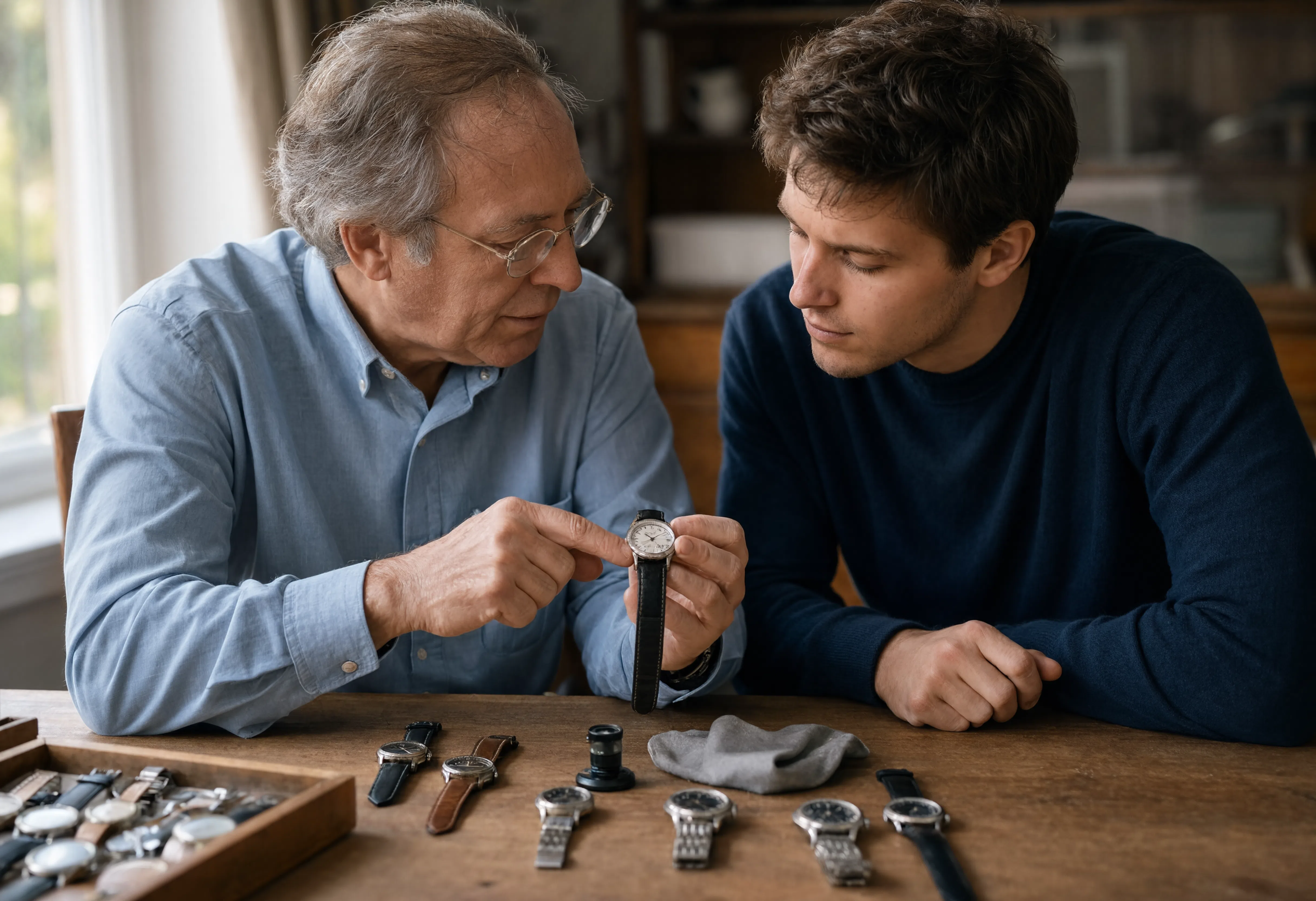
This passion led me to take my wife and oldest son, both of whom are also catching the watch bug, on a self-planned trip to Geneva. We visited Romain Gauthier, Kari Voutilainen, Armin Strom, Sylvain Berneron, Hervé Schlüchter, Simon Brette, Rexhep Rexhepi, and the FP Journe boutique. Every one of them welcomed us warmly, opening their workshops and their minds to us. We saw the tools, the benches, the prototypes — but more importantly, we heard their stories. We learned what it takes to survive as a small watchmaker, why the prices of these watches are what they are, and why so few pieces ever make it into collectors’ hands.
But somewhere along this journey, something became clear: the way we talk about independent watchmakers is too simplistic. As collectors, we tend to throw them all into one big basket, as if “independent” were a single, uniform category. The truth is, there isn’t even a clear definition of what “independent watchmaker” means. Is it purely about ownership? Rolex, for example, isn’t owned by anyone — does that make it independent? If a brand like FP Journe sells a stake to Chanel, does it stop being independent? Does the size of the company matter?
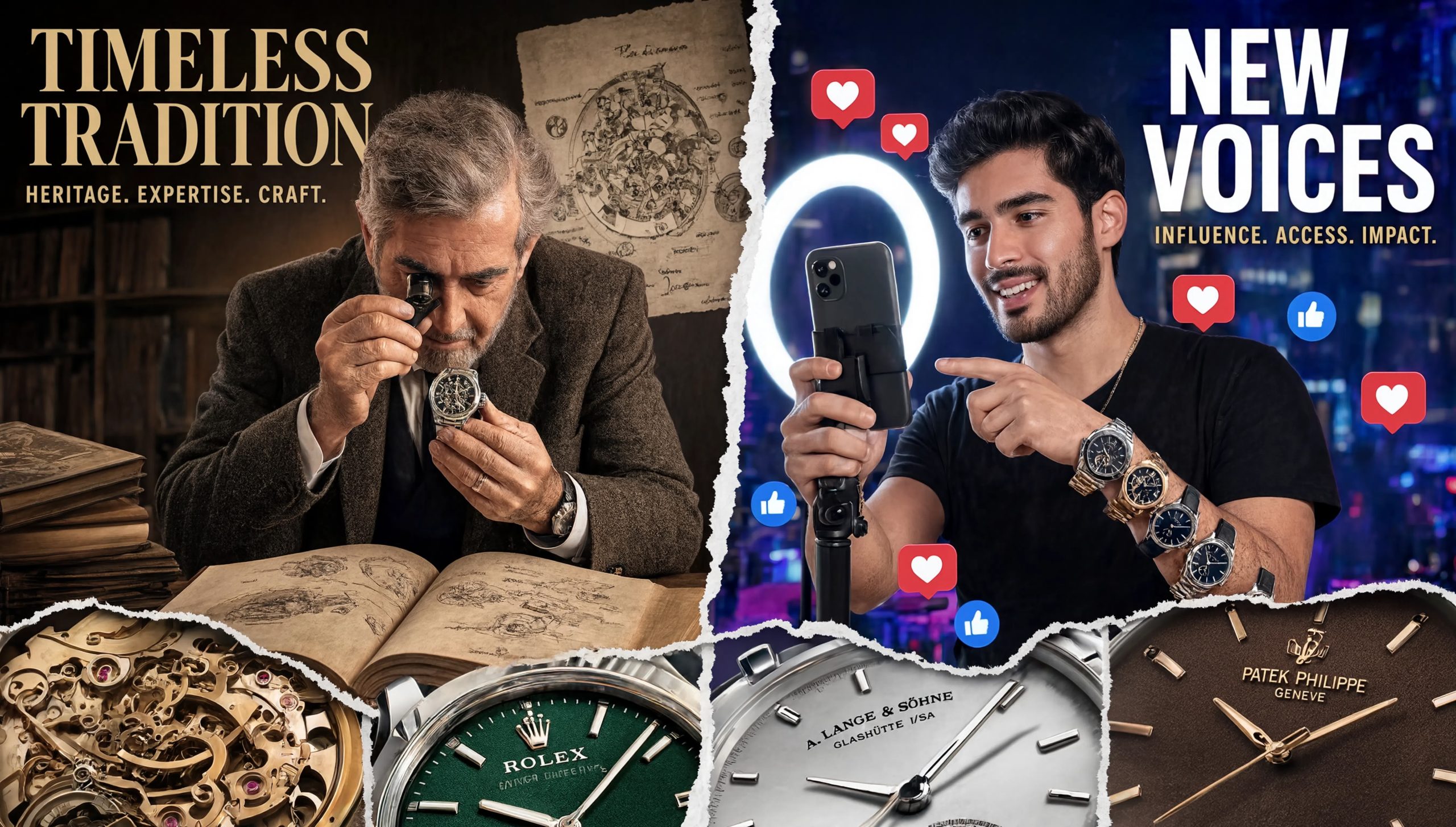
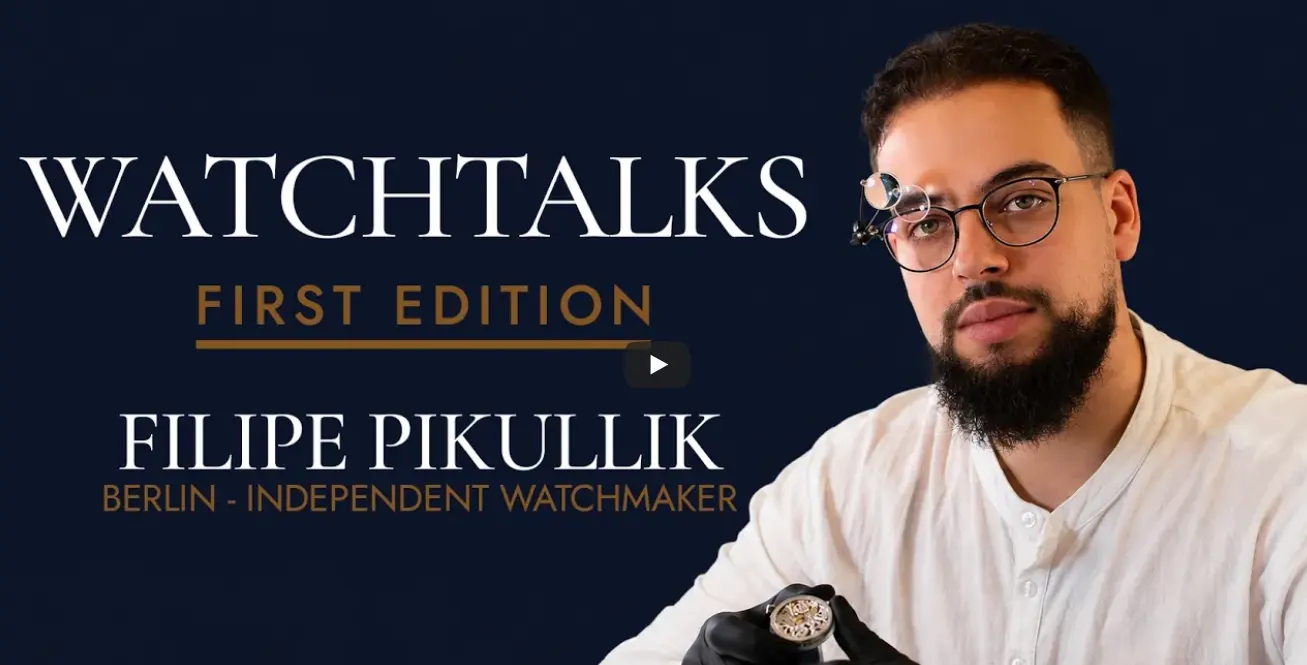
Even if we could agree on the definition, there’s another problem: not all independents are the same. Some are true craftsmen, creating almost every component of their watches in-house, often by hand — masters like Philippe Dufour or Romain Gauthier. Others are primarily designers, with brilliant concepts and aesthetics, but who rely on specialized partners for movement manufacturing. Then there are microbrands — small companies producing unique designs in limited quantities, often using existing movements but offering something fresh and distinctive.
All of these players bring something valuable to the table, but they’re not interchangeable. And yet, in casual conversation, they’re all labeled the same way. For seasoned collectors, the differences become obvious with time. For newer collectors — like I was not long ago — this lack of distinction can be confusing. Understanding whether a watchmaker is building nearly everything from scratch or is primarily focused on design changes how you evaluate a piece’s price, rarity, and long-term collectibility.
I’m not suggesting that one type of independent watchmaker is better than another. Far from it — each has its own charm and contribution to the craft. But I do believe we would all benefit from a clearer classification system, something that reflects the nuances of this incredibly diverse corner of watchmaking. Like wine regions or art movements, categories could help guide collectors toward pieces that align with their values, tastes, and expectations.
This classification wouldn’t be about ranking or creating hierarchies — every group has value, and value is different from collector to collector. Instead, it’s about clarity. When a collector says “I want to buy from an independent,” they could mean a Dufour-level craftsman, a Berneron style design visionary, or a Louis Erard type micro-brand. Without distinctions, expectations get blurry. A clearer framework could help both new and seasoned collectors make better-informed decisions, understand what they’re buying, and appreciate the different types of independence that exist in watchmaking.
I’m not the one to create this system. But I hope that by raising the question, the conversation starts. Because in a world where details matter so deeply, “independent” is too important a word to remain so vague.



One Response
Nice read! Independent watchmaker was a strongly defined term back in the 80s when AHCI was created. Now it has many layers to it and I think anyone can define however they feel like, if I agree or not… that is a whole new level of conversation LOL!
!