

Why collecting is not enough
The initial rush of my early collecting days has passed. Back then, it was about chasing the next watch, adding as many as possible, and feeling the thrill of acquisition. But as I slow down, I’ve realized I want something more. Instead of piling on watches without direction, I now want to collect with intent and meaning—to give my collection a sense of purpose.
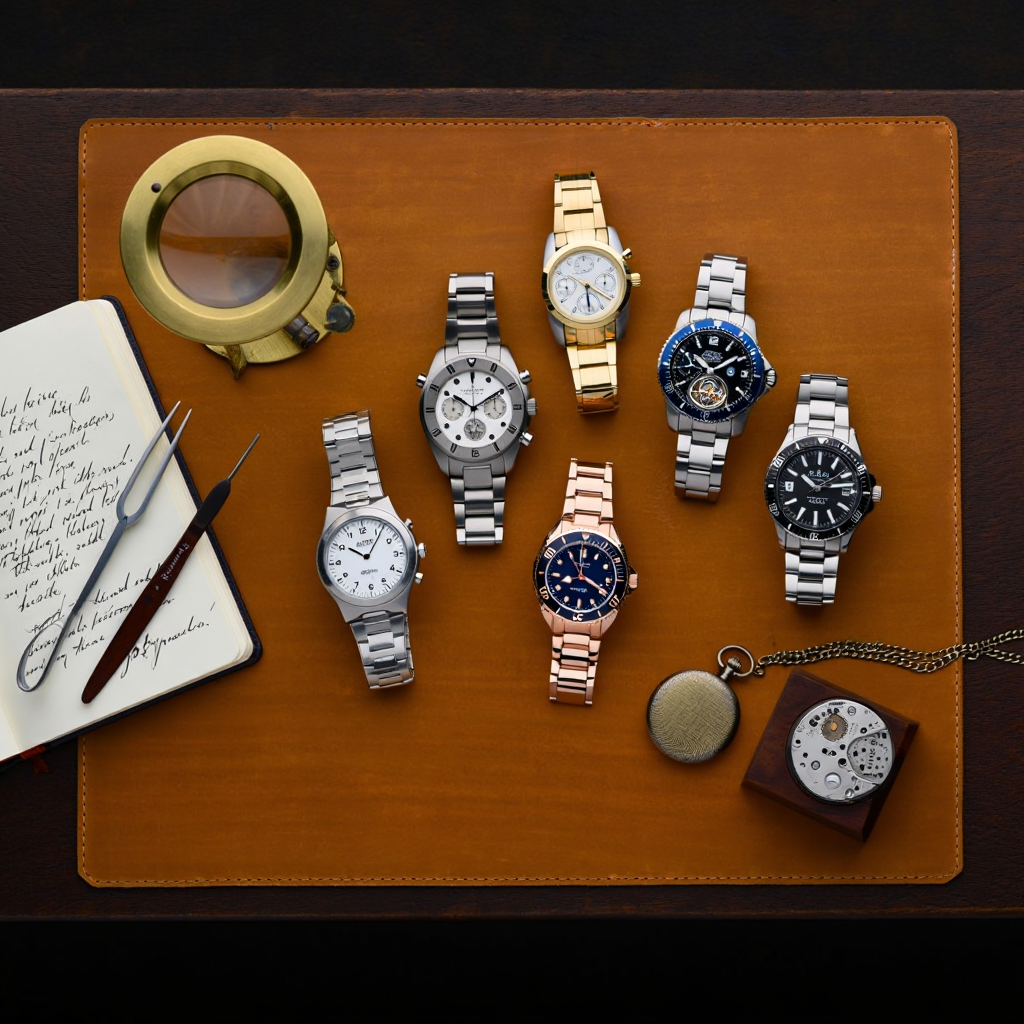
A close collector friend (@onlybuyingtime) planted the seed when he said: “You should curate, not just collect.” At first, the word curating felt foreign to watch collecting. To me, it belonged in museums and art galleries. But the more I dug into it, the more sense it made. One definition that stuck with me was: “Curating, at its core, means selecting, organizing, and presenting items in a way that adds value and meaning for an audience.”
In my case, that “audience” is first and foremost me. Every watch has to matter to me personally—it has to carry significance. But I also want my collection to resonate with others: fellow collectors, friends, even strangers who notice what’s on my wrist. That’s when I realized that curating is simply collecting with purpose.
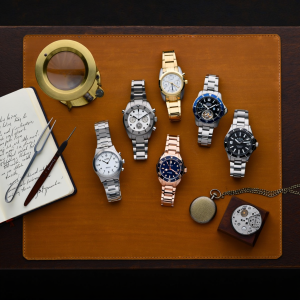
But that raises a crucial question: what exactly is that purpose? And here’s where things get interesting — the purpose not only varies from collector to collector, it often evolves with time. For some, it may be to chase technical innovation; for others, to preserve heritage; for others still, to reflect their personal milestones. In the end, the meaning is deeply personal, and it is that individuality that transforms collecting into curating.
So what does curating a watch collection actually mean in practice? Collecting, at least in the way I first experienced it, is a game of accumulation. It’s about the hunt, the excitement of the next piece, the dopamine hit of acquisition, the desire to have what your friends or other collectors have. It can be impulsive, and often it is shaped by trends, hype, rarity, or simply the desire to fill empty slots in a watch box. Curating, on the other hand, slows the process down. It asks why. Why this watch? Why now? Why does it deserve to sit alongside the others? Collecting fills space. Curating shapes a story. The collectors story in most instances.
As my own journey has evolved, I’ve noticed how watches that once thrilled me no longer hold the same place in my heart. They were fun, yes, but they didn’t anchor themselves in my personal narrative. Curating requires that anchoring. It requires that each watch connects not just to the broader world of horology—the history of a brand, the hand of a particular watchmaker—but also to my own life, my milestones, my passions. A curated collection is not just a box of watches, but a reflection of identity.
And with that comes responsibility. To curate is to be intentional, to develop a deeper understanding of each watch I bring in, and to think about how it fits within the greater whole. It is not about quantity, but quality and context. It is not about speed, but patience. It is about shaping something that entertains me, yes, but also sparks conversation—because in the end, a collection without stories is little more than book with no words.